
Simple tips to use what you already have
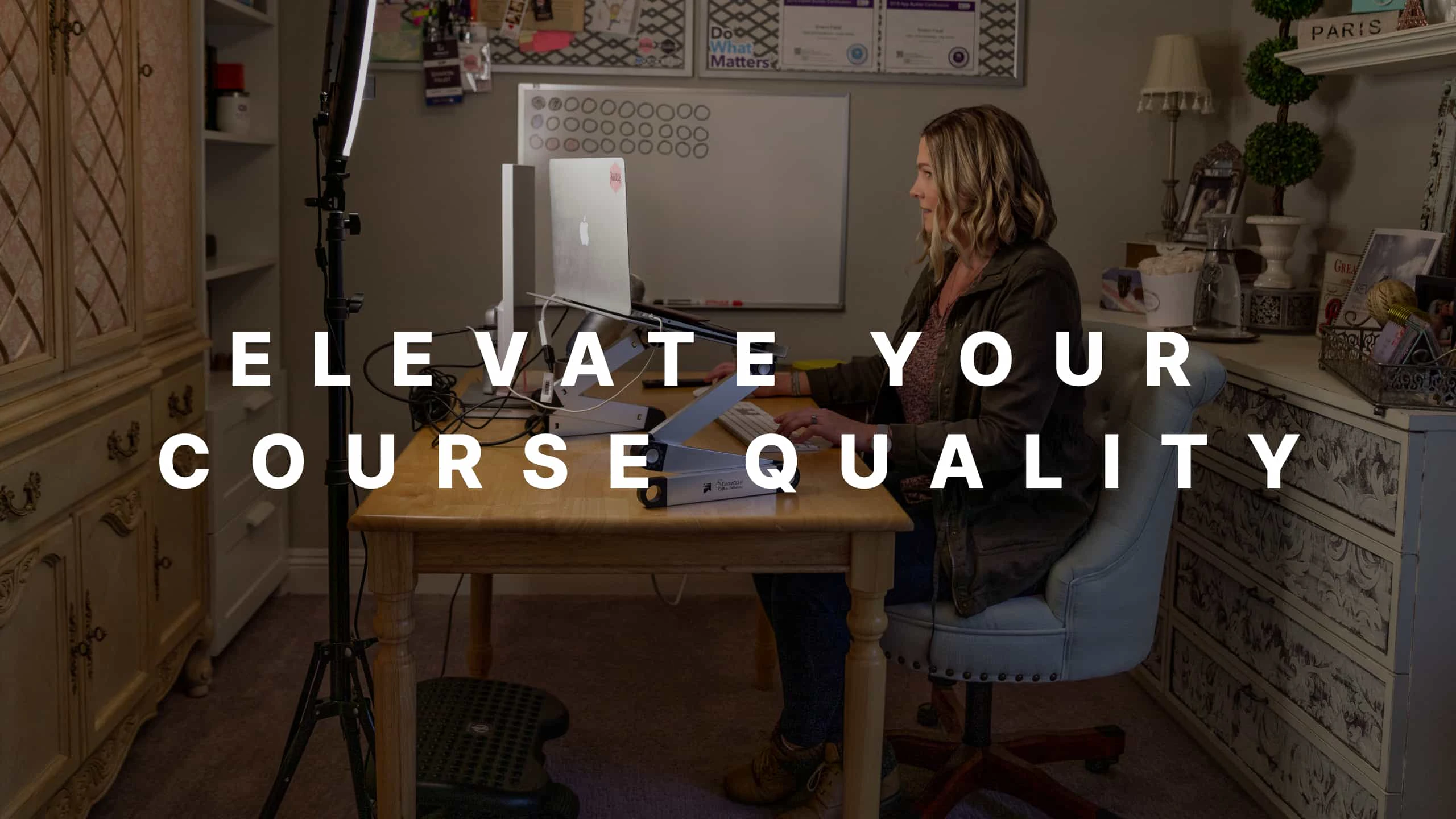
Begin with content
Camera and equipment
Do you need to invest in a $2000 DSLR and professional mic? No. In fact, you probably have a course-ready camera in your pocket right now.
Lighting
Proper lighting draws attention to you, the speaker (plus it has the additional benefit of drawing attention away from any clutter that may have amassed).Use window light where you can
Filming your shot with window light is free, readily accessible, and produces accurate colors, including accurate skin tones. There are some downsides, like having less control over the light coming in as well as where windows are located in your home. Window light may change throughout your video if you live in a particularly cloudy area. “If you have a window with a white curtain, that’ll diffuse and soften the light a lot, making it look really good,” David said. To get the best results from filming at home, make sure to:- Shoot at the same time each day, either early morning while the light is soft or at high noon when the sun maintains its position longest
- Position yourself so that you have natural light from the window coming in from one side. Directly facing the window or having it behind you will result in light that is either too harsh or creates that nasty silhouette effect
- Turn off non-daylight light bulbs so the colors don’t cast a harsh tone across your skin
Lamps can work … if you’re careful
If you want to supplement your shot with additional light, or if you don’t have an available window, use a desk lamp with a daylight bulb. Avoid using tungsten bulbs, as their orange glow will cast a harsh orange tint across your face and clothing, again rendering unnatural skin tones. Position your desk lamp or other home light source to the side, out of frame and far enough away so that the light isn’t so harsh on your face. A great way to assist with this dampening of light (or “diffusion”) is adding a white bedsheet, shower curtain, or pillowcase in front of the light. You can also fasten a lampshade in place that may soften the direct light.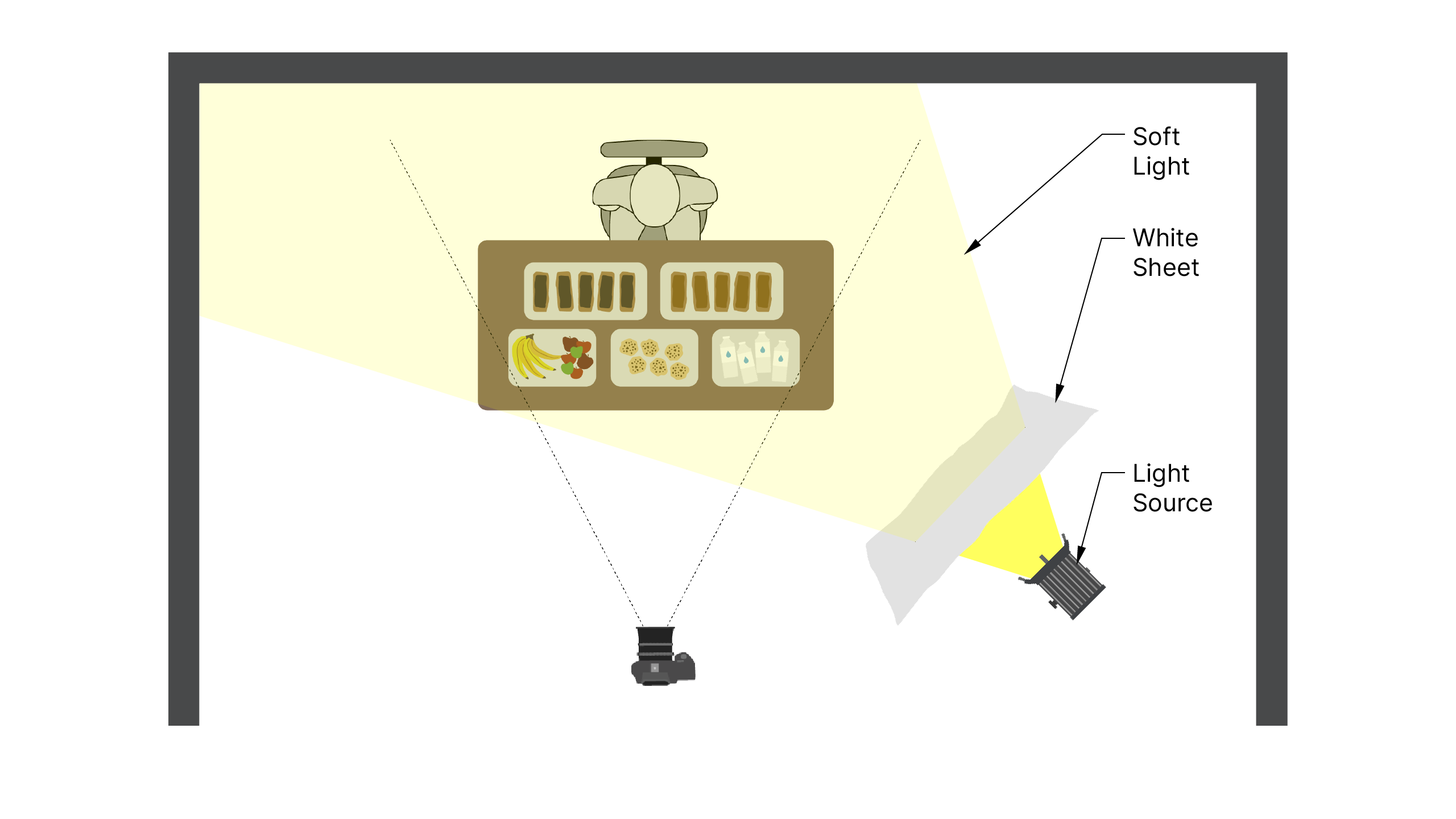
Capture professional-sounding audio
Having high-quality sound in your course videos can be equally important—if not more important—than high-quality video. Low audio quality has a bigger impact on how immersed your viewers are than video quality or lighting. “I’m a stickler with audio,” said Kajabi Live Video Production Lead Irene Pavico-Tsukayama. “I’ve learned through the years that people are more likely to stick around longer and actually pay attention to your content if the audio is good. I’ve watched numerous YouTube tutorials that have been helpful even though they aren’t the best videos but the audio quality is amazing.” Before you run out and purchase a camera that costs thousands of dollars to up your audio quality, try these simple steps to get the best sound (and therefore, overall quality) out of the equipment you already have.Try starting with the equipment you have
Instead of choosing from a list of “budget microphones” that range from upwards of $300, focus on maximizing the audio coming into your webcam, iPhone, laptop camera, camcorder, etc. You have a great opportunity to master the hardware you already have. Why purchase equipment you may not even need or know how to use? Kajabi Live Video Production Lead Irene Pavico-Tsukayama has great advice for everyone recording at home: “Super important tip before you dive into recording a long video, especially if you’re using an external mic: make sure your audio is being recorded. Hit record, test audio, hit stop and play it. It’s a great habit to develop and one that I always implement at every shoot.”Reduce echo in your environment
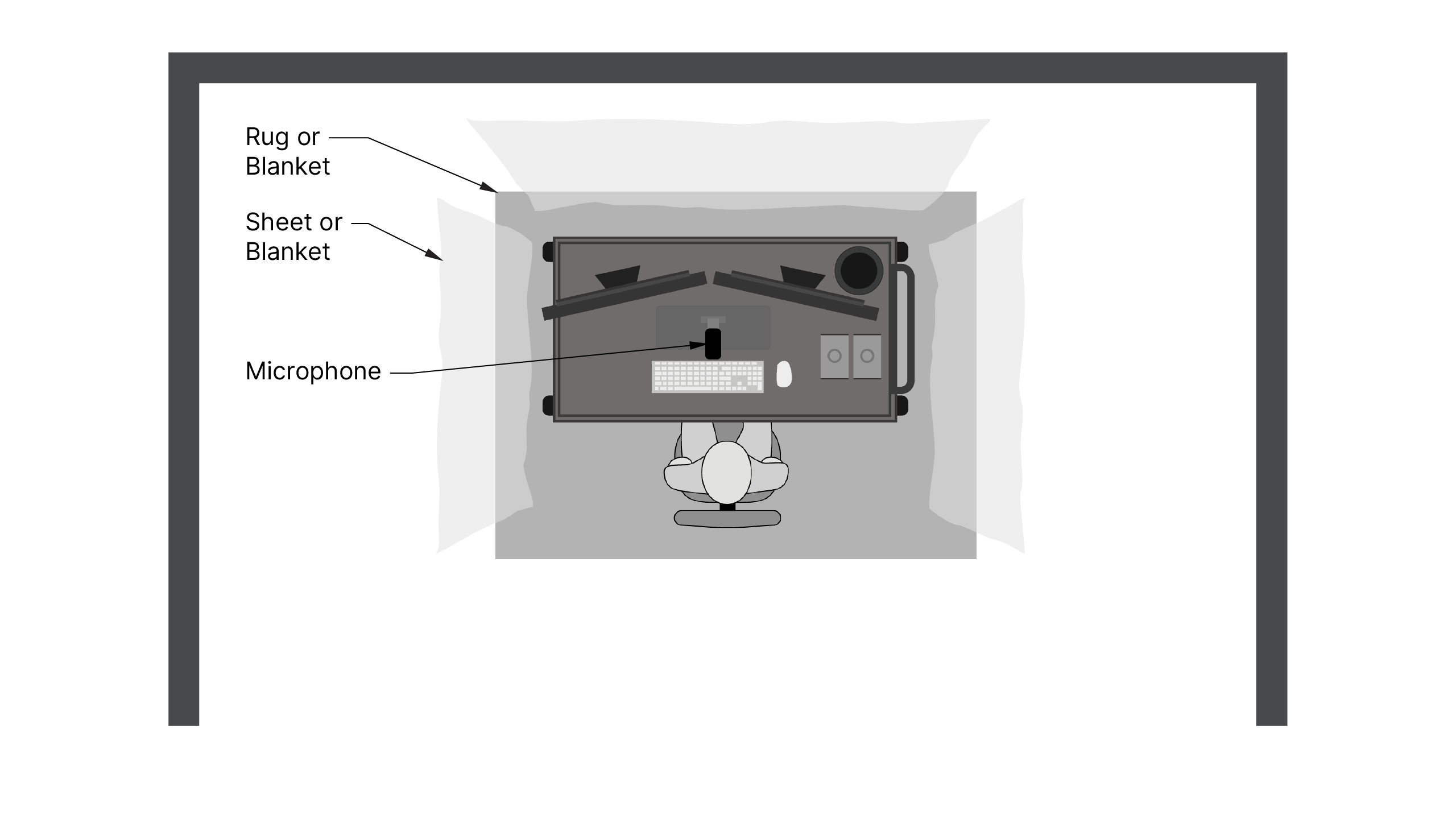
Have you ever noticed how an unfurnished room has a loud, big echo, while even just putting a carpet down can cut that in half? Making your audio as clean as possible makes a big difference in the perceived quality of your videos. This means the best microphones you can buy are ones that effectively eliminate echo and background noise. You can also set up your environment for high-quality audio. To do this, try the following:- Hang up a couple of blankets or towels near your face. Make sure to hang them as close as possible without being in the shot or blocking light
- Add another blanket or towel on the floor beneath your feet
- Hang one more blanket or towel behind your microphone. This prevents your voice from bouncing around the room before reaching the microphone of your iPhone or other camera
Compose video like confident pros
Much like audio, video quality is equal parts setup and gear. Focus on composing your shot with a nice background free of clutter. Adding some personal items that relate to your business or represent who you are can better engage your audience. A fun mug on the desk goes a long way in building brand affinity. With your light and your sound dialed in, all that remains is simply ensuring your filming space is tidy, consistent, and most of all representative of you. “You want the camera to be eye level—that’s the most natural kind of look,” David said. “If the camera’s lower than you and you’re staring down at it, it’s an intimidating shot. And if it’s above you, and you’re looking up at it, you look smaller.” Getting the technical setup is one thing, but looking confident on camera is another. “Don’t overthink, don’t overanalyze,” said Esteban Robinson, Kajabi Photo Lead. “Just do whatever feels natural. Because if you don’t, it’ll show up on camera.” When your camera is set up and ready to go, you’re free to focus on how you look on camera. “I kind of set it and forget it,” Esteban said. “Cameras today already have really good features. The whole point is not focusing on the technical capabilities of the camera, but focusing on how someone looks and telling that particular story.” “When we start shooting, I establish that the first shots probably won’t be ‘the ones,’” Esteban said. “But you never know! It’s just about getting comfortable on camera. Be okay with the fact these photos (or videos) probably won’t be the best, but they’re a warm up. Plan to spend an hour.” Another way to feel comfortable on camera is to act like you’re speaking to a specific individual.