

What is a Podcast?
A podcast is an audio show on a niche topic that’s relevant to the host’s business or interests. Like a talk radio show, a podcast is aired in seasons and episodes. Like a blog, a podcast is produced by you, not a traditional media company. Your listeners find you, then listen on-demand or subscribe to know when episodes are available. Here’s a high-level view of how your podcast connects you to your audience:- You record episodes and upload them to a podcast hosting site
- The hosting site creates your podcast feed and stores the show’s MP3 files (just as YouTube stores a YouTuber’s MP4 files)
- Listeners subscribe to the podcast on audio sites, such as iTunes, Spotify, and Stitcher
- Once subscribed, listeners are automatically alerted when episodes go live
Grow an online business with a Podcast
Credibility
The fact that you can put on a show week after week validates that you’re an expert in your topic. Podcasts are unique from other types of content because your audience gets to hear your voice - sometimes directly in their ears through headphones. That creates a sense of intimacy. It helps your listeners feel like they know you. This builds trust and credibility. Financial adviser Pete Matthew credits his podcast with launching his media empire. He started the MeaningfulMoney Podcast in 2012. Within two years it was his number-one driver of clients for his business. Pete now has a book, a video library, and a learning center, in addition to his library. His financial advising services aren’t the focus of his business anymore. They’re just one stream of income. Matthew explained it this way: “People are understandably nervous [when they approach financial advisers]. Putting something of yourself out on the internet [is] a great mechanism for breaking down initial barriers, when it comes to considering doing business with you.”Branding
A brand is a name, symbol, or design that develops a strong association with a company. Think Coca-Cola’s iconic bottle shape or red color.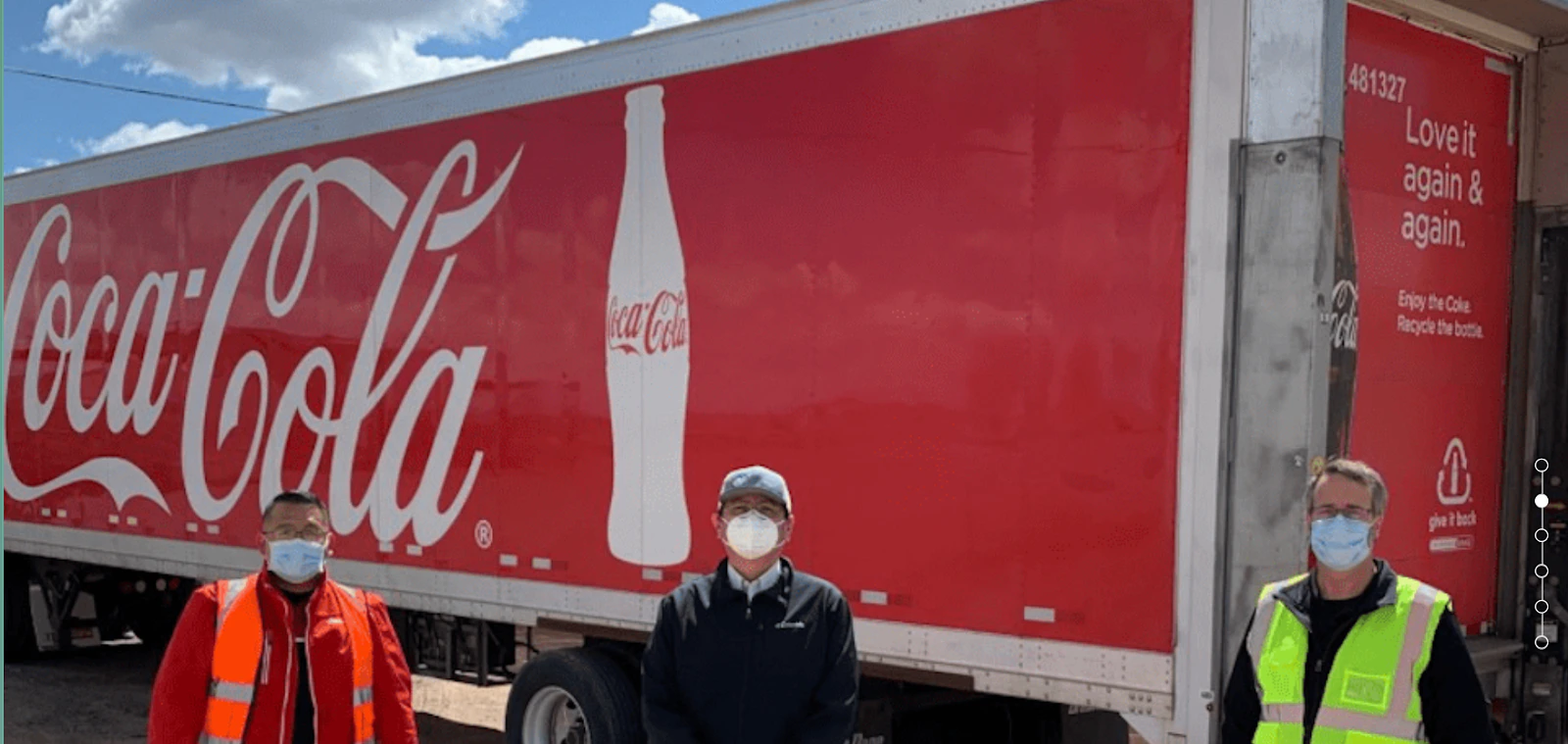
Marketing
Studies have found that podcasts have higher listener engagement than streaming video or social apps. They’ve also identified a distinct group of podcast fans, known as super listeners. These people are Americans over 18 years who listen to at least five hours of podcasts each week. In 2020, they spent an average of 10.5 hours per week listening to podcasts. Your goal is to attract these super listeners because they’re highly responsive to brand mentions and marketing on their favorite podcasts. According to them, “Advertising on a podcast is the best way for a brand to reach you.” Even more to the point, 54 percent say they’re more likely to purchase a product if they hear the ad on a podcast. But super listeners aren’t the only ones who respond favorably to promotions on podcasts. According to the DMA, most listeners feel the marketing they hear on podcasts is relevant to them. That being the case, you can use ad spots and product mentions to send traffic to your Kajabi website. There, your listeners can see your offers, learn more about your business, and even subscribe to your email list.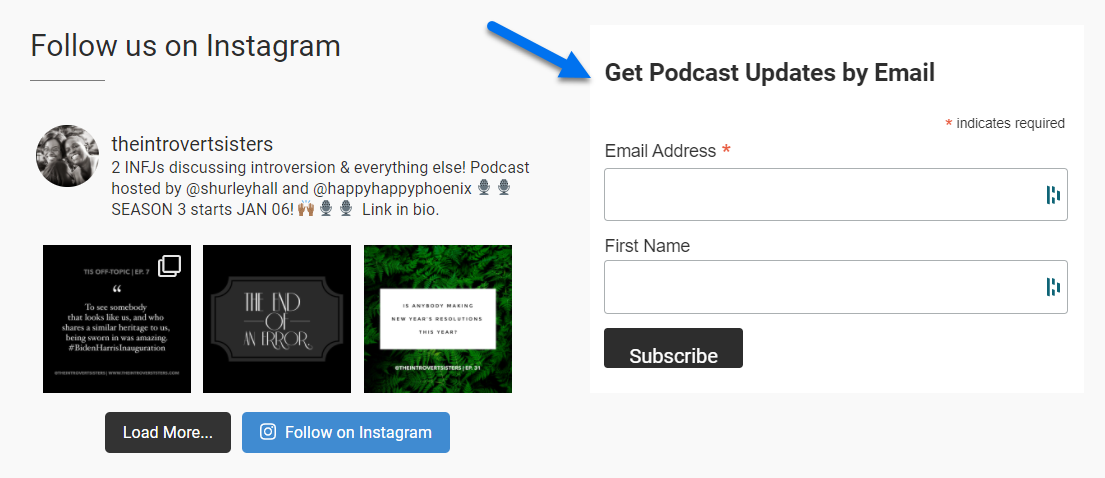
Revenue
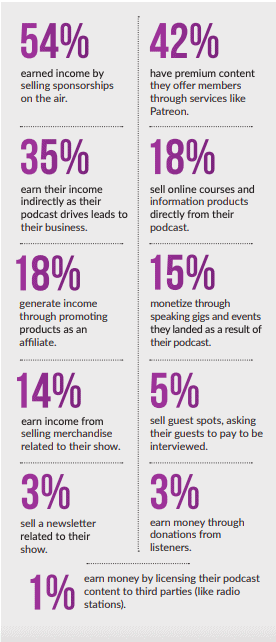
You can drive revenue on your podcast both directly and indirectly. Marketing and product promotions help you monetize your podcast directly. To do marketing on your podcast:- Get sponsors
- Run ad spots
- Sign up for advertising networks
- Ask for donations
- Promote your own products and services
- Promote and sell affiliate products
- Productize your podcast by selling access to back issues
- Create premium episodes for paid subscribers
Are there too many podcasts already?
No, there’s always room for a great podcast that connects with your audience and provides value. Yes, there are a lot of podcasts. As of 2021, there are 1,750,000 podcast series, with more than 43 million podcast episodes. To put that number into perspective, there are over 2 billion websites and there are over 31 million YouTube channels. Those big numbers don’t mean there are too many websites or that you shouldn’t start your own YouTube channel. It means people are getting value from these channels. It’s the same story with podcasts. Podcasts are helping businesses achieve the reach and exposure they need to grow their business.Podcast equipment
To start your podcast, you only need a microphone, software for recording and editing your podcast episodes, and hosting.Podcast microphone
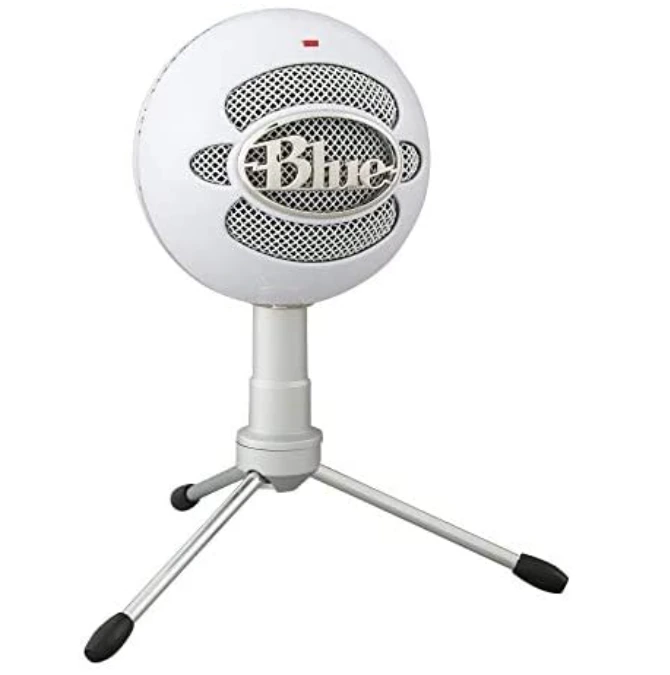
You should aim for the best microphone you can afford because podcasts are an audio channel.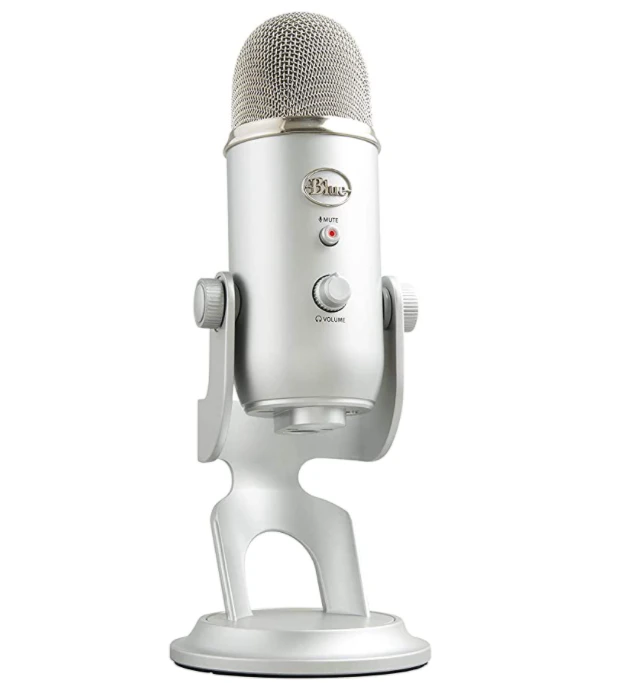
- Cardioid - records from the front of the mic. This is your best option when it’s just you
- Bidirectional - records from the front and back of the mic. This is perfect for in-person interviews
- Stereo - captures the left and right channels to capture a wide, realistic sound image. Good for recording live music or a three-person podcast
- Omnidirectional - picks up sound from all directions. Perfect for conference calls or meetings
Recording and editing software
You can use any recording software for your podcast. Zencastr, for example, lets you record your podcast from your computer or your phone. The audio file is studio quality and publish-ready, so you have less production work on the back-end. It also lets you insert your intro, ad, and other audio as you record. Here are some other popular podcast recording software:- Hindenburg Journalist Pro
- Audacity
- GarageBand (for Mac users)
Transcription software
Transcribing your podcast recording can help speed up the editing process or make it easier to upload captions to YouTube videos of your podcast. Check out a service like Otter to speed up transcription.Podcast costs
Compared to other high-impact marketing channels, podcasts are incredibly affordable. For your microphone, expect to spend 125. Audacity and GarageBand are available for free. If you prefer paid options, here’s what you can expect:- Zoom runs about $15 a month. As a bonus, it gives you a meeting room for conducting your interviews
- Video recording software costs 250
- Audio recording software is similar, starting at 20 per month for a Zencastr subscription
Start a Podcast
Starting a podcast is no different than starting a blog or a YouTube channel. Here is a checklist to make sure you have a strong start.Choose a topic
Half of the success of your podcast is simply from picking the right topic. Don’t pick the first broad, high-level topic that comes to mind. Choose a topic that relates to your business and can help you build your brand. It should be broad enough that there’s a lot you can talk about. But it should be narrow enough that you can attract a niche audience. The best podcasts focus on a specific concept or perspective within their chosen topic. For instance, the Sales Hacker Blog doesn’t just talk about sales. It focuses on sales leadership in B2B companies. So the host only interviews VPs of Sales and CEOs of B2B businesses. Similarly, the Profit from Legal™ podcast aims at small- to medium-sized businesses who may not realize the value of working with a lawyer. It doesn’t talk about litigation in enterprise companies. It shares tips that help SMBs grow their business. Here’s how you know you’ve chosen a good topic:- There’s enough to say about your topic to support at least 50 episodes a year
- The things you talk about will attract your target audience
Research the competitive market
Before planning your podcast, research the podcasts that are already being produced around your topic. Study the different podcasts your audience listens to. If other podcasters are covering the same topic, look at:- How are they approaching it?
- What’s the format?
- How many listeners are they attracting?
Look for a gap you can fill
Look for ways you can stand out from the competition:- Can you take a unique or contrarian perspective?
- Do you have a different way of approaching the topic?
- Can you use a different format for your show?
- Is there a subtopic no one is covering?
Choose a format
You can format your show in a variety of ways. Here are four formats that are easy to produce and can keep your audience engaged. Interview format. This is one of the easiest and most popular formats because you don’t have to come up with topics or create unique content for every show. You only need to schedule interesting guests. Come up with a series of questions that you ask every guest. You may also let your guests give you the questions they’d like you to ask. Then schedule a Zoom meeting, and record your conversation. You can extract the audio for your podcast and use the video for your YouTube podcast or other marketing purposes. Chat show. With this format, you’ll co-host the podcast with one or more other people. Similar to the interview, you don’t have to create a lot of content for this format. But you do need to come up with interesting topics you can discuss with your co-host. Mark your calendar with recording dates and the topic for each. Each co-host is responsible for coming up with their perspective on the topic, including news bites, statistics, and stories. You may choose to record your sessions in a Zoom meeting. You may also choose to meet in person for recording sessions. During your show, one co-host will introduce the topic. Then you’ll have a lively conversation and hopefully butt heads, disagree, and laugh out loud. It’s the real human interaction that makes this format so engaging.Plan the first episodes
Before you launch, you should have at least three episodes ready to go. This gives your listeners something to binge when they discover you.Create Podcast brand assets
You don’t need a lot of assets to start a successful podcast. Here’s what you do need:- A good name - Make it unique. Make it memorable. Make sure it’s easy to say
- Description - This is the reason you’re producing a podcast. In a few short paragraphs, describe your show, who it’s for, and why people should tune in
- Cover art - You need a square image that meets these requirements:
- Size: 1400x1400 minimum, 3000x3000 maximum
- Resolution: 72 dpi
- Color settings: RGB
- Format: JPEG or PNG